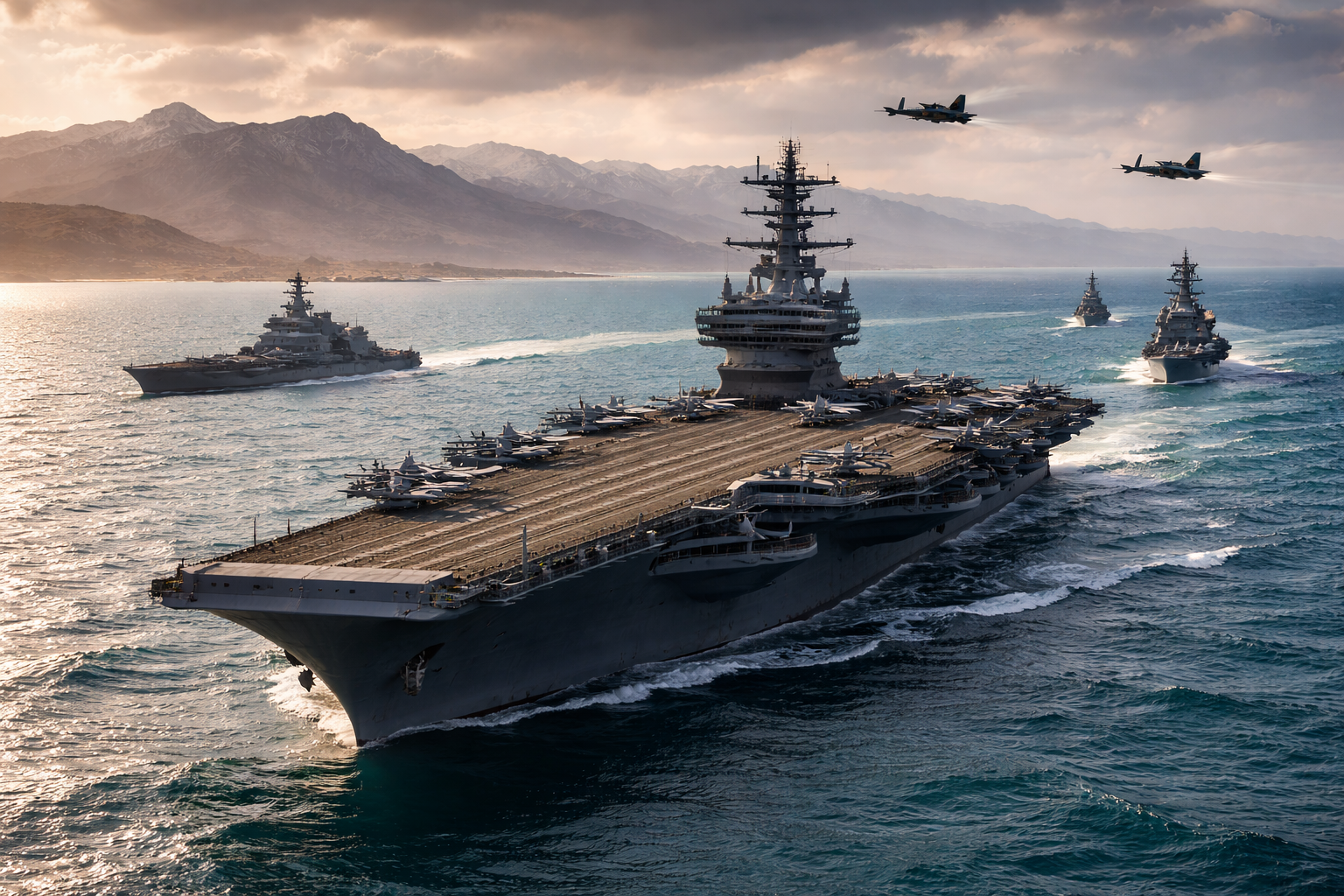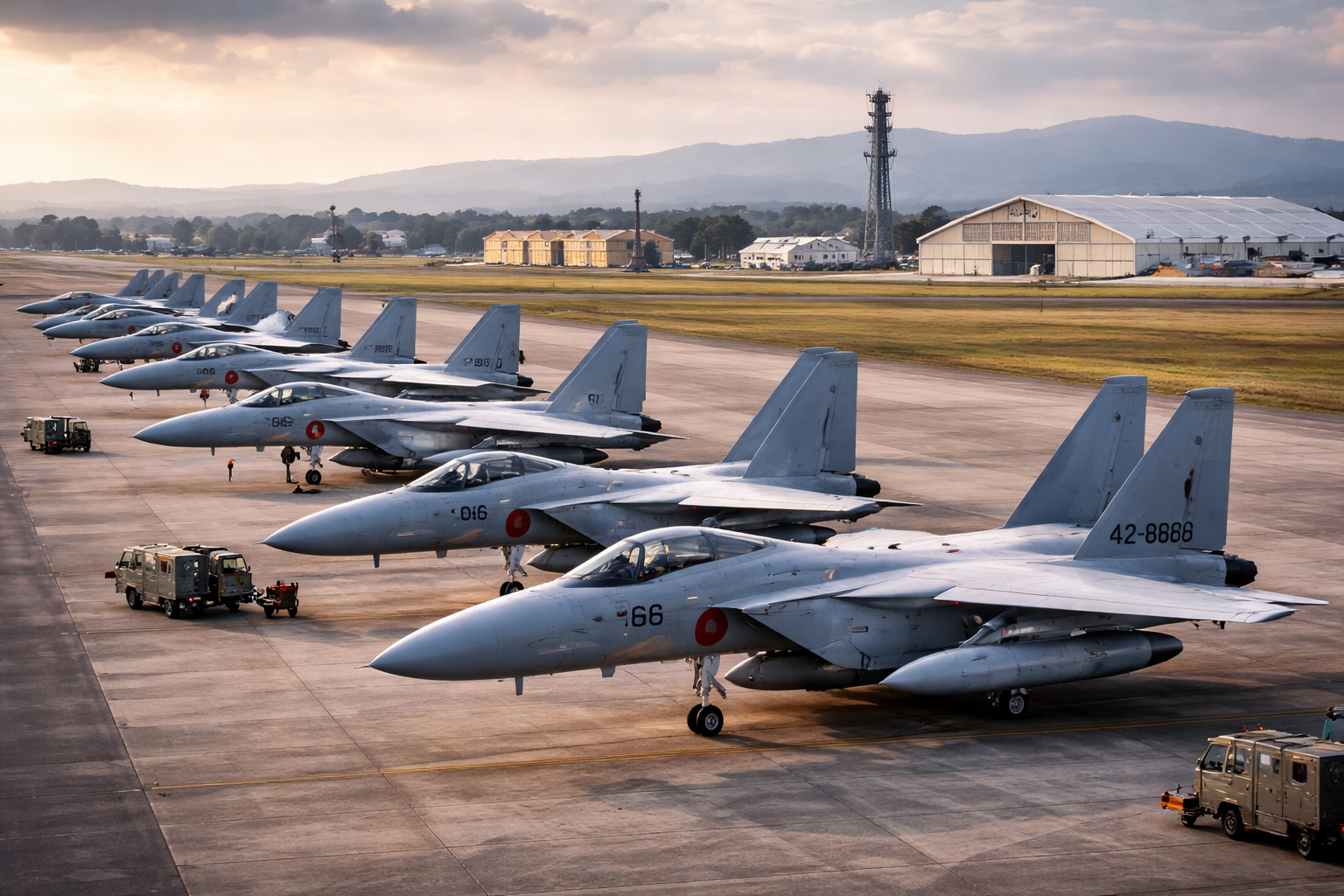
Japan’s recent security transformation is not simply a regional adjustment. It is part of a broader rebalancing within the emerging global order.
As power diffuses across a multipolar system, states are recalculating risk, deterrence, and alliance commitments. Tokyo’s decision to expand defense spending, develop counter-strike capabilities, and deepen integration with U.S. forces reflects more than concern about China alone. It signals how middle and major powers are adapting to structural uncertainty in a contested international system.
From Pacifism to Deterrence
Japan has long operated under constitutional constraints limiting offensive military power. Yet over the past several years, Tokyo has shifted toward a more assertive defense posture — raising spending toward 2% of GDP and investing in longer-range strike systems.
This is not a return to militarism. It is a recalibration within a system where:
- China’s military capabilities are expanding rapidly
- Taiwan’s status has become a focal point of great-power tension
- U.S. commitments face simultaneous strain across Europe, the Middle East, and the Indo-Pacific
Japan’s move reflects a central reality of the new global order: reliance without redundancy is vulnerability.
Taiwan and Systemic Stability
Taiwan’s strategic importance extends beyond cross-strait politics. A shift in Taiwan’s status would alter maritime security, energy routes, and alliance credibility across East Asia.
For Japan, whose southwestern islands sit geographically exposed, this is not abstract. It is structural. By strengthening deterrence capabilities and integrating more tightly with U.S. operations, Tokyo increases the cost of unilateral action by any actor seeking to revise the status quo.
In a multipolar environment, raising the threshold of conflict is itself a strategic act.

Financial Limits and Strategic Sustainability
Yet power adaptation has limits.
Japan’s public debt ratio exceeds 200% of GDP. Its population is aging rapidly. Social welfare costs are rising. While short-term increases in defense spending are manageable, long-term sustainability depends on economic resilience.
This highlights a broader tension within the evolving global order: military repositioning must coexist with fiscal durability. Strategic credibility rests not only on weapons systems, but on economic foundations.
Alignment Without Dependence
The U.S.–Japan alliance remains central to regional deterrence. American bases in Okinawa and integrated defense systems form the backbone of collective security.
However, Japan’s recent moves are not mere compliance with Washington’s preferences. They reflect Tokyo’s independent assessment of systemic risk. In an era where U.S. resources are stretched across multiple theaters, allies are hedging — strengthening their own capacity while remaining aligned.
This pattern is not unique to Japan. It is visible across Europe and parts of Southeast Asia. The global order is shifting from U.S.-centric dependency toward distributed burden-sharing.
The Broader Implication
Japan’s transformation illustrates a key feature of the emerging international system: deterrence is becoming decentralized.
States are no longer waiting for a single guarantor to underwrite stability. They are increasing their own capabilities to manage uncertainty. This does not necessarily signal escalation. It signals adaptation.
Whether this adaptation produces stability or accelerates competition will depend on whether deterrence succeeds in preventing conflict — particularly in flashpoints like Taiwan.
In the new global order, the most consequential shifts may occur not through war, but through how states prepare for the possibility of it.