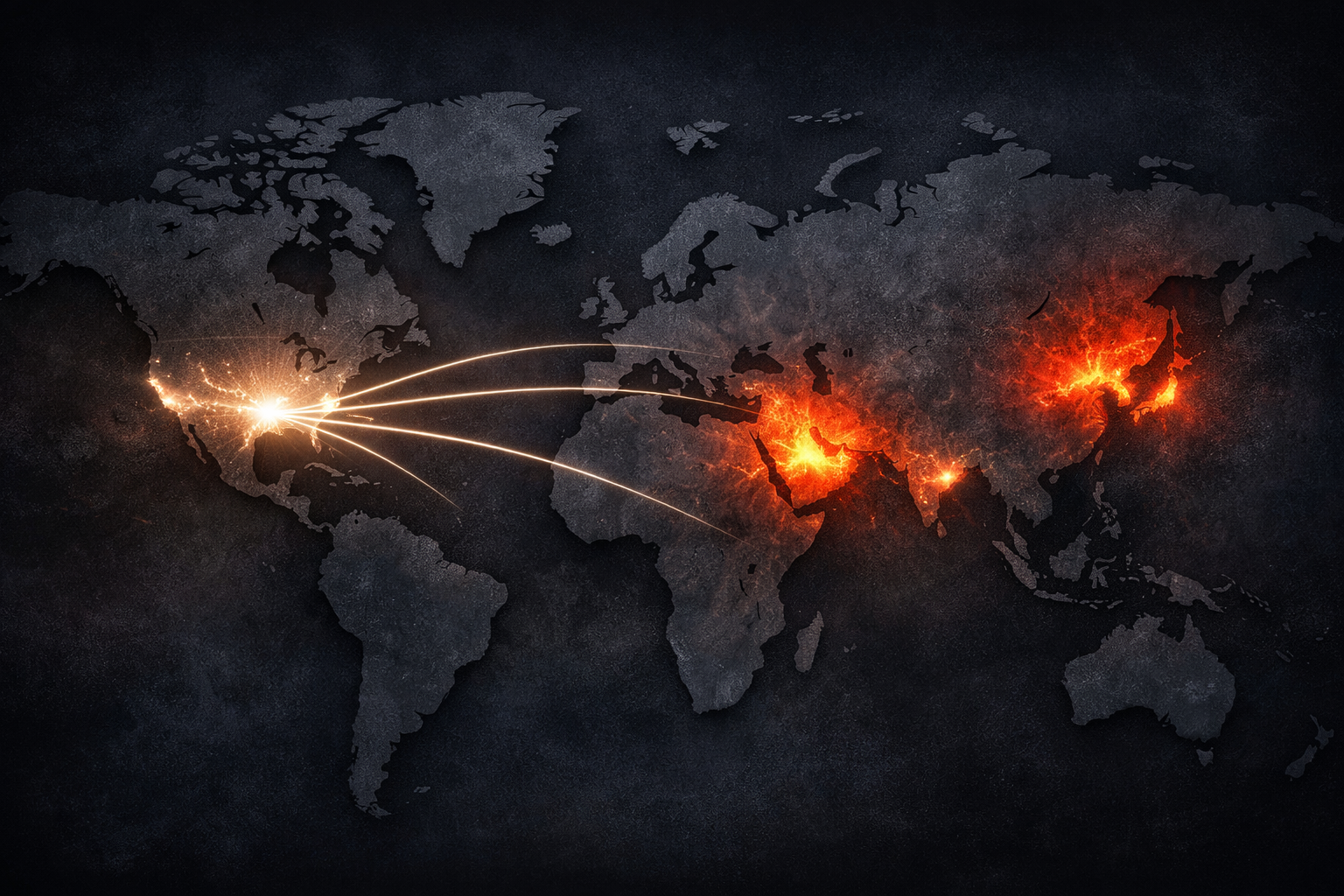
Launching a full-scale war in the Middle East today would not merely mean confronting Iran.
It would open a structural strategic vulnerability for major competitors such as China and Russia at the same time.
Although the United States retains the world’s most powerful military, that power is not infinite—nor can it be deployed across multiple theaters simultaneously without incurring long-term costs.
A real war in the Middle East demands high-readiness forces, carrier strike groups, logistics capacity, and sustained munitions flow. These are assets that cannot be rapidly regenerated. Committing them to a theater characterized by high cost and low strategic return inevitably reduces U.S. flexibility elsewhere.
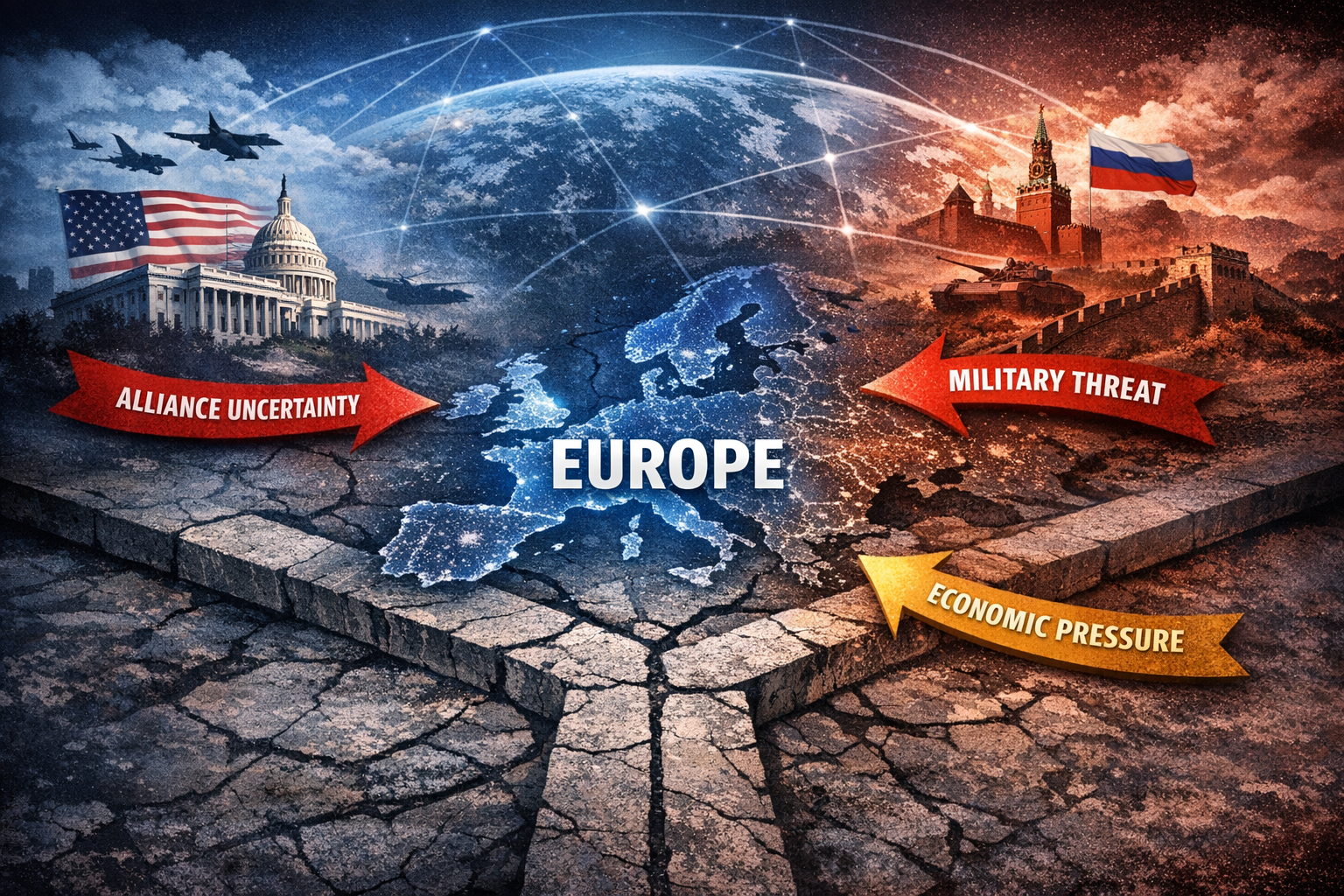
This is precisely the window that Beijing and Moscow would watch closely. They would not need to initiate a full-scale conflict. Merely testing red lines—in Taiwan, the South China Sea, or Eastern Europe—could be enough to stretch U.S. capacity and decision-making beyond comfortable limits.
In this context, both Israel and Iran understand the same strategic logic. One side seeks to keep the United States close to the fire; the other weaponizes uncertainty and escalation control, without needing outright battlefield victory.
History offers a consistent lesson: great powers rarely fall because they lose a single war. They weaken because they open multiple fronts simultaneously.
For Washington, the real danger of a Middle Eastern war is not defeat by Iran. It is the loss of strategic flexibility at a moment when great-power competition is intensifying across the globe.
In this environment, restraint is not necessarily weakness. It may be a recognition of power’s limits in a multipolar world.