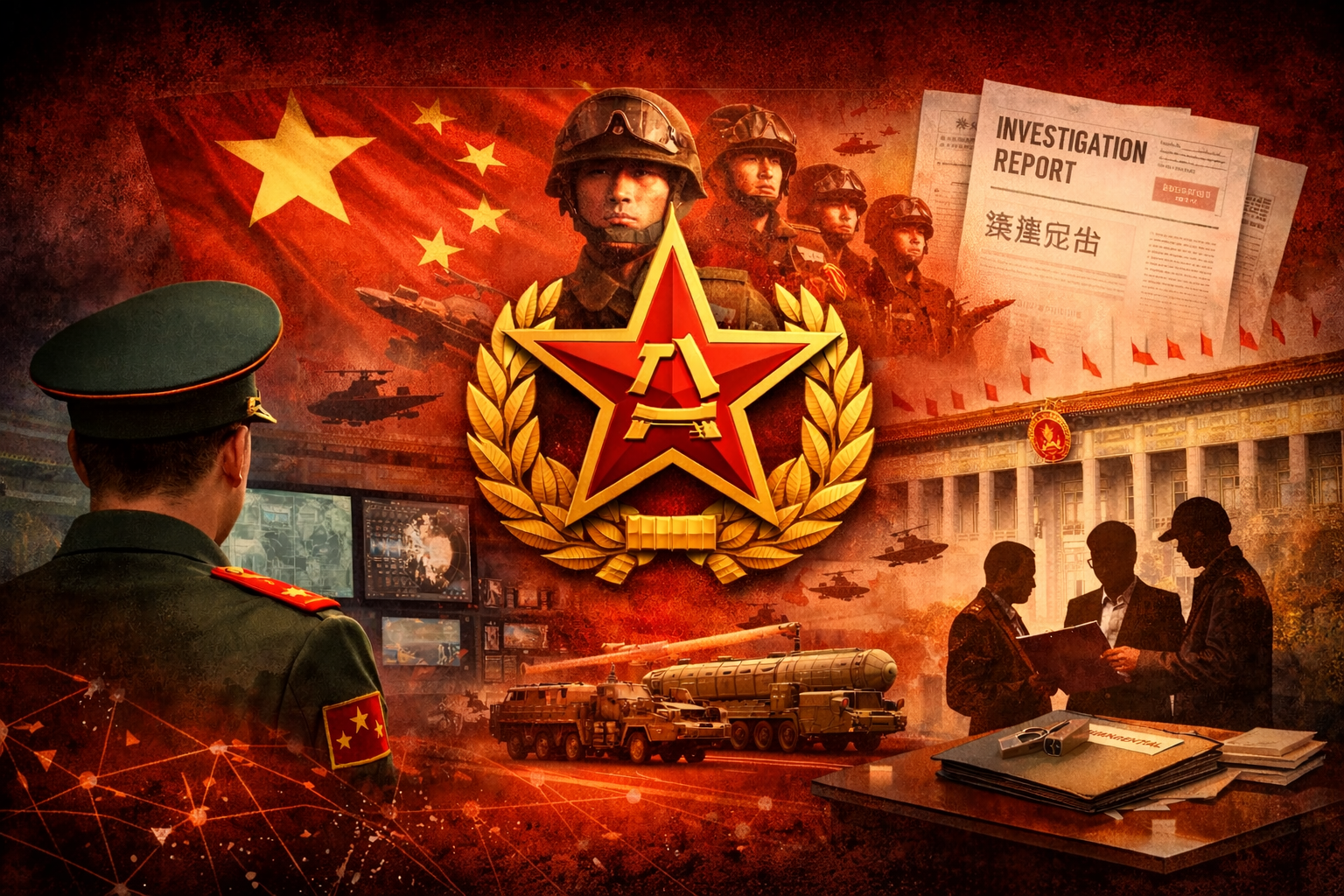
In February 2026, Reuters and other international outlets reported that several senior officers within the People’s Liberation Army (PLA) of China were placed under investigation for “serious violations of discipline and law.” The language used in official statements suggested high-level disciplinary action rather than routine personnel reshuffling. Around the same time, Xi Jinping publicly reiterated the need for loyalty and centralized party control over the armed forces.
This brief assesses the immediate strategic implications of those February 2026 developments.
What This Signals
On the surface, the investigations were framed as anti-corruption or disciplinary enforcement. But their timing intersects with two broader trends:
- Continued PLA modernization aimed at enhancing joint operational capability before the end of the decade.
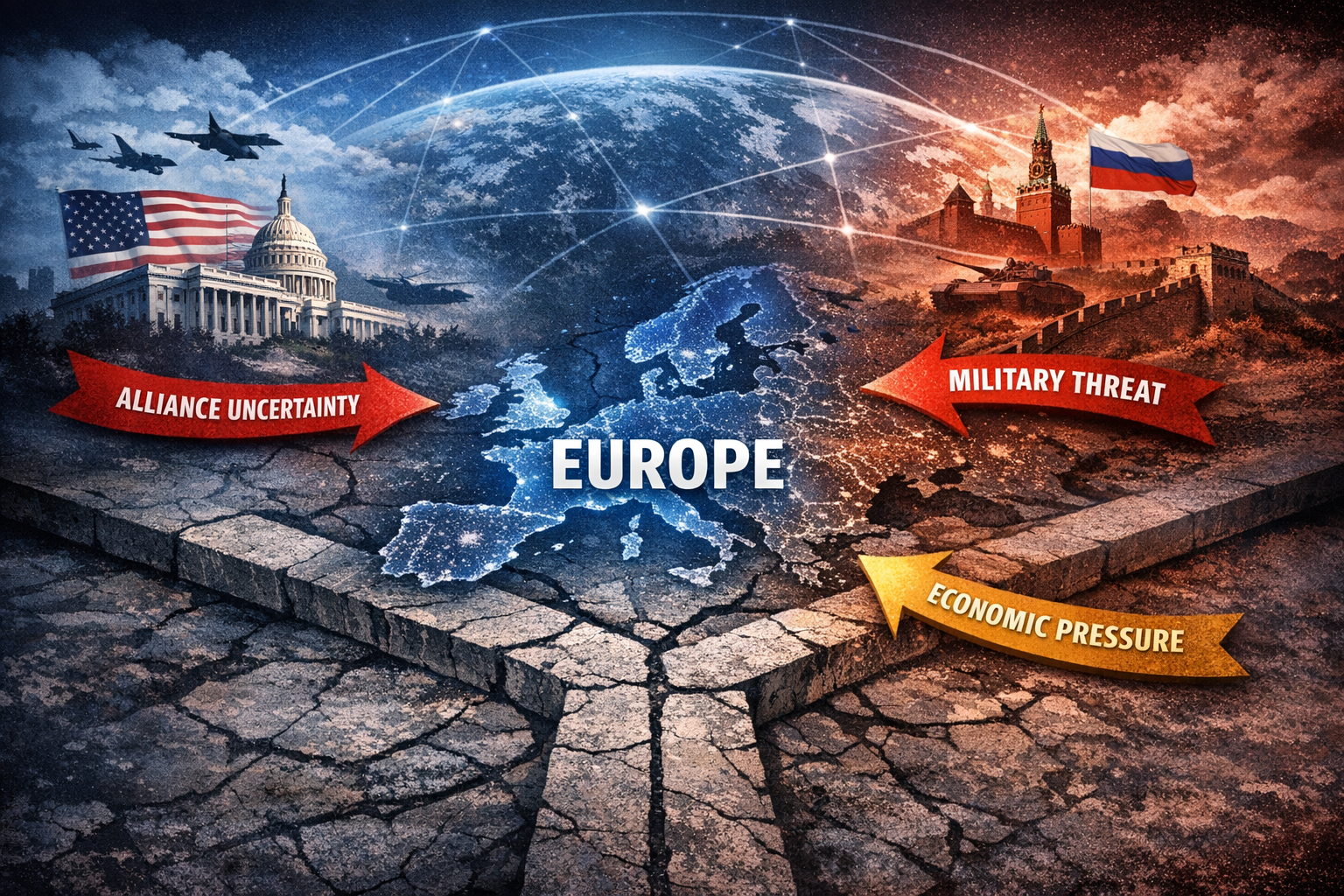
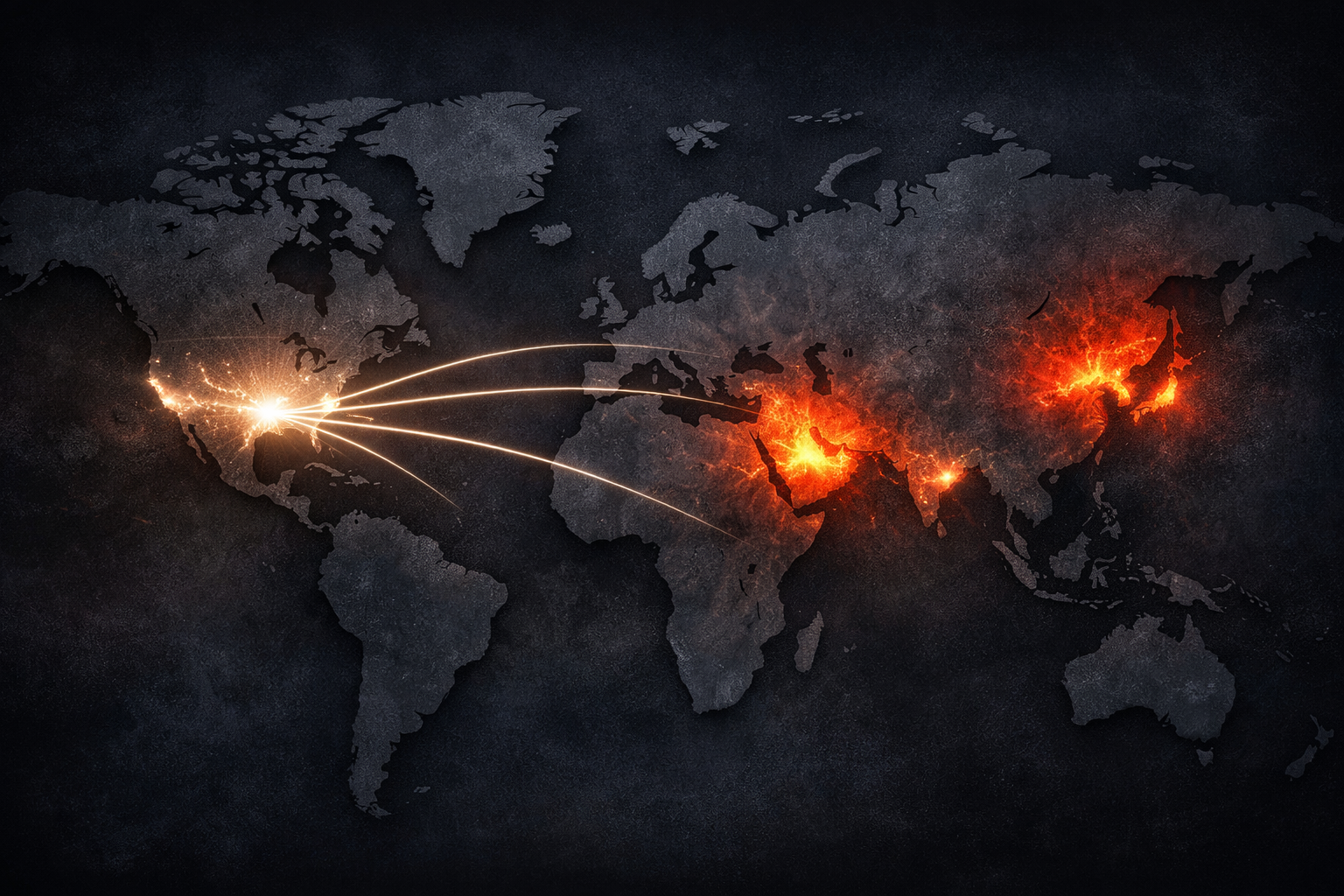
- Intensifying structural rivalry with the United States across military, technological, and alliance domains.
When disciplinary action reaches senior command levels during a modernization phase, it typically reflects one of two dynamics: either systemic weaknesses are being addressed, or centralized political control is being reinforced ahead of future strategic decisions.
The distinction matters.
Beijing’s Likely Logic
From Beijing’s perspective, internal cohesion precedes external strength. The PLA’s credibility—especially in sensitive contingencies such as Taiwan—depends not only on equipment and doctrine, but on unified command authority.
Investigations at the top can therefore serve to:
- Reinforce party oversight.
- Eliminate corruption risks in procurement or strategic units.
- Signal that no senior officer operates beyond political accountability.
In centralized systems, such tightening is often framed as institutional strengthening rather than crisis management.
Washington’s Likely Interpretation
For Washington, February 2026 presents both caution and opportunity.
If the PLA is in an internal recalibration phase, short-term escalation risks may decline. Military organizations undergoing high-level investigations often become more risk-averse until command clarity stabilizes.
However, U.S. policymakers must also consider the alternative: consolidation may produce a more disciplined and politically aligned PLA over the medium term. If restructuring succeeds, leadership confidence could increase in subsequent years.
The danger lies in misreading transitional turbulence as durable weakness.
Near- to Medium-Term Implications (2026–2028)
In the near term, the investigations likely reduce the probability of abrupt, high-risk external actions. Command systems under review typically prioritize stability.
Over the medium term, outcomes depend on whether the consolidation process enhances operational confidence. If it does, assertiveness could rise gradually—not suddenly—after internal restructuring concludes.
For regional actors, the episode reinforces an existing pattern: strategic uncertainty persists, even when immediate tensions appear contained.
Closing Frame
The significance of the February 2026 PLA investigations lies less in who was removed and more in what the process produces.
If tightening yields caution, the strategic environment may stabilize temporarily.
If it yields confidence, competition may deepen steadily.
Power rarely shifts at the moment of investigation.
It shifts in how institutions adapt once scrutiny has passed.