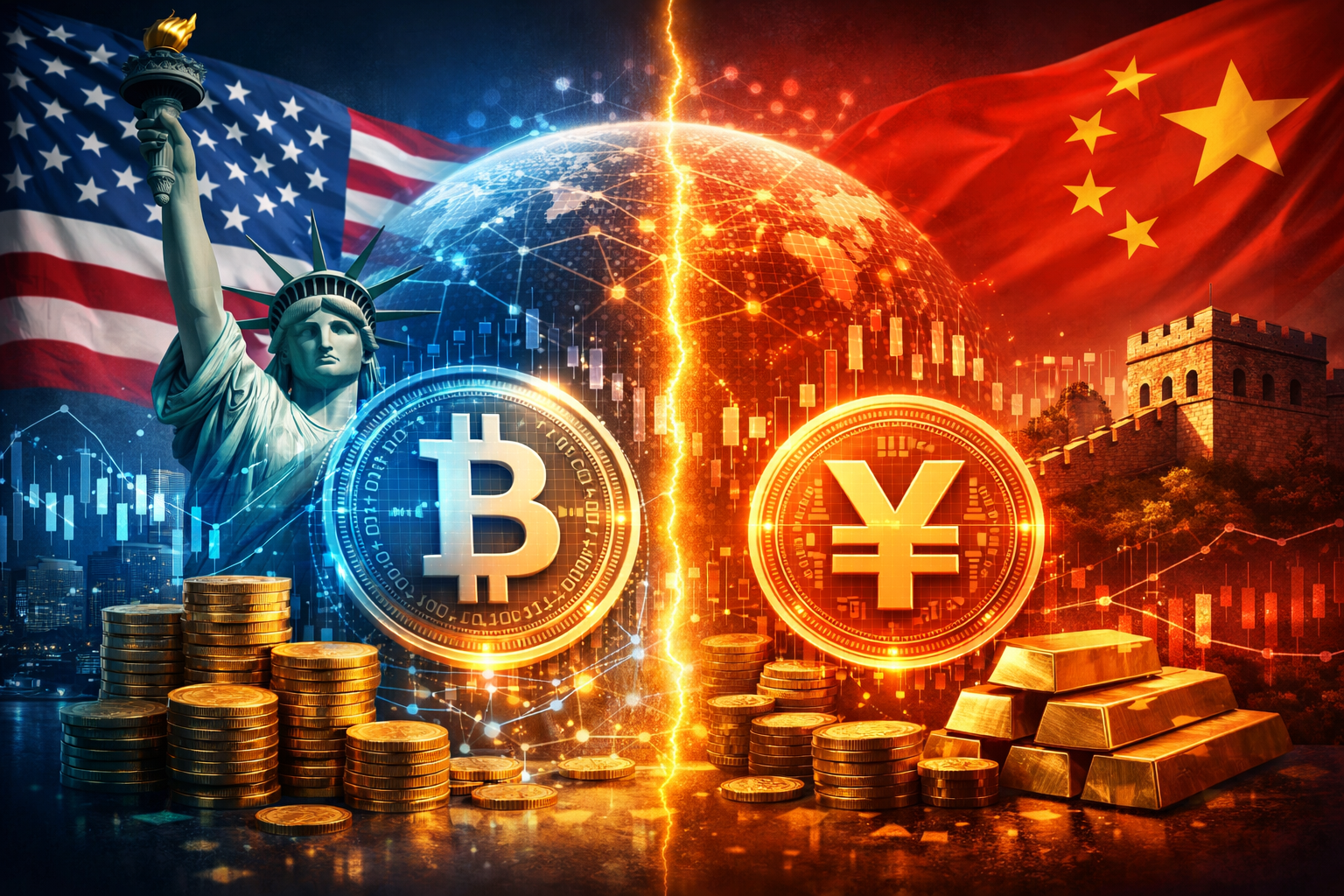
If a major war erupts involving Iran and the United States, the most decisive moves may not happen in the Persian Gulf at all. They will unfold across energy markets, alliance systems, supply chains, and parallel theaters—from Ukraine to the South China Sea.
Iran is not simply another regional actor. It sits astride the Strait of Hormuz, a chokepoint through which roughly a fifth of the world’s seaborne oil passes. It holds some of the largest natural gas reserves on the planet. It maintains regional networks that stretch into Iraq, Syria, Lebanon, and Yemen. And it occupies a critical node in Eurasian connectivity linking Russia and China to the broader Middle East.
In a wider conflict, Moscow and Beijing would not need to intervene directly to shift the balance. Their strategy would likely focus on raising the cost of American engagement rather than confronting the United States head-on.
Russia: Stretching the Map
For Moscow, escalation in the Middle East would present opportunity.
Russia would likely provide calibrated support to Iran—intelligence sharing, technical assistance, perhaps defensive systems—while avoiding overt war with Washington. The objective would not be to win a battlefield in the Gulf but to widen the strategic map.
If U.S. resources and attention shift toward the Middle East, Russia gains breathing room in Ukraine. If oil prices spike amid instability, Moscow’s energy revenues rise. If Washington must divide military assets across Europe, the Middle East, and the Indo-Pacific simultaneously, the strain compounds.
Russia’s play is structural: increase American overextension without triggering a direct great-power war.

China: Patience and Positioning
China’s approach would likely differ sharply.
Beijing has deep economic stakes in Gulf energy flows. It purchases significant volumes of oil from the region, including from Iran. It has also invested heavily in infrastructure and trade networks across the Middle East as part of its long-term connectivity strategy.
China would likely avoid military involvement. Instead, it would emphasize diplomacy, energy continuity, and strategic patience. Beijing might position itself as a mediator, portraying itself as a stabilizing force while Washington is drawn into kinetic engagement.
At the same time, China could incrementally test U.S. bandwidth elsewhere—through increased military signaling around Taiwan or expanded activity in the South China Sea—without crossing thresholds that would trigger open conflict.
The objective would not be immediate confrontation, but calibrated pressure.
What This Means for the United States
In the short term, escalation would almost certainly drive higher energy prices and renewed inflationary pressure. Financial markets would react sharply. Defense expenditures would rise.
In the medium term, the United States could find itself managing three simultaneous stress zones:
- Europe (Ukraine and NATO deterrence)
- The Middle East (Iran and regional stability)
- The Indo-Pacific (China and maritime security)
The greater risk is not battlefield defeat. It is strategic fatigue.
Alliance credibility rests not only on military capability but on sustained attention and political will. If Washington appears overextended—or divided internally over foreign commitments—partners may begin recalibrating their expectations.
That recalibration is precisely what Moscow and Beijing would seek.
The Core Question
A major Middle Eastern war would not simply be about Iran. It would test whether the United States can manage multiple theaters in an increasingly multipolar world without eroding its own economic resilience or alliance cohesion.
Russia would try to stretch America thin.
China would try to wait America out.
The decisive factor would not be who fires more missiles—but who sustains pressure, absorbs costs, and maintains strategic clarity over time.
The real contest would be endurance.