For decades, the United States has relied on a dense web of alliances as one of its greatest strategic advantages. These partnerships were built not only on military power, but on predictability, shared expectations, and the assumption that standing with Washington was the safest long-term bet in an uncertain world.
Today, that assumption is quietly eroding.
This shift does not take the form of open rebellion or alliance collapse. Instead, it appears in a subtler but more consequential pattern: America’s closest partners are increasingly hedging—diversifying their diplomatic, economic, and strategic options to reduce dependence on the United States alone.
This is not defection. It is risk management.
Hedging Is Not Betrayal
From Europe to East Asia to North America, U.S. allies continue to cooperate closely with Washington on security and defense. NATO remains intact. Intelligence-sharing arrangements still function. Military interoperability has, in many cases, improved.
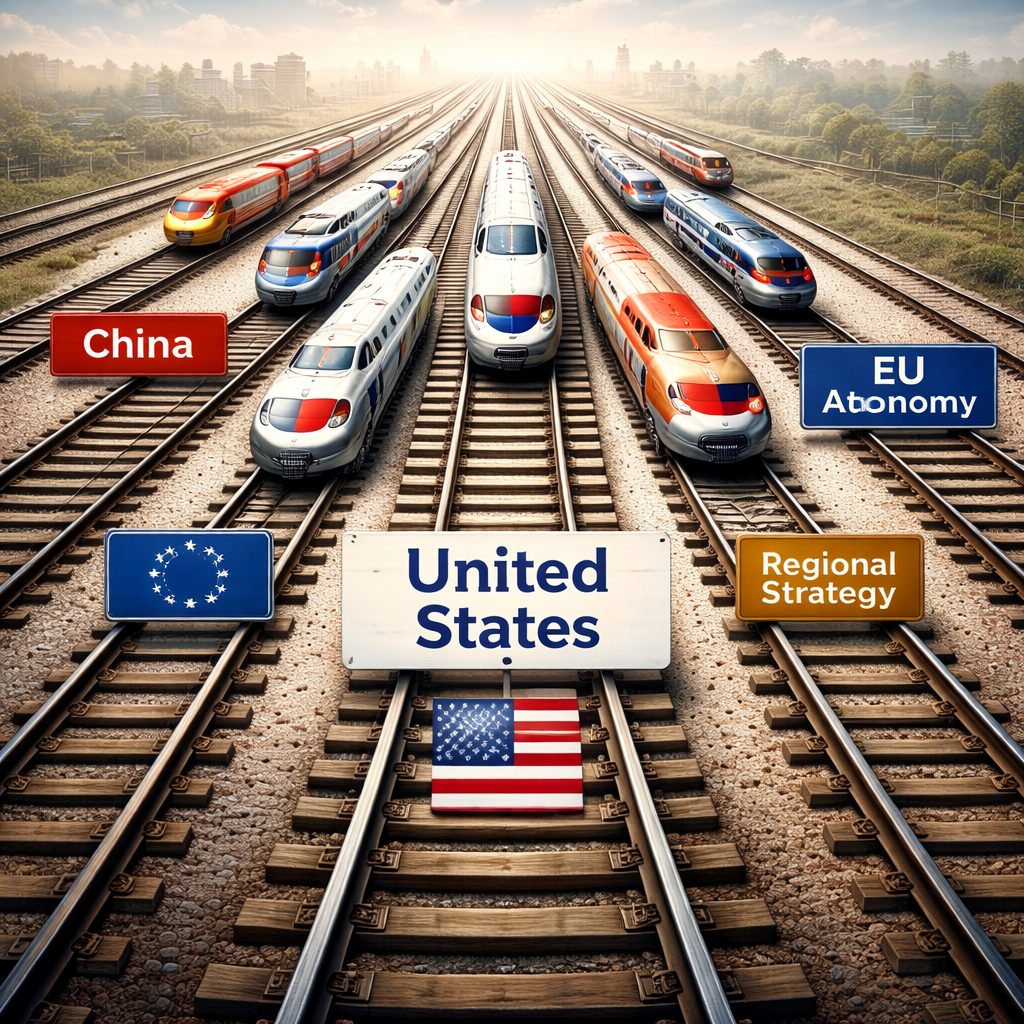
Yet alongside this continuity runs a parallel trend. Allies are expanding economic ties with China, investing in autonomous defense capabilities, and cultivating diplomatic room to maneuver between major powers.
The reason is not ideological drift, but uncertainty.
When alliance commitments appear increasingly conditional—subject to domestic political cycles, transactional bargaining, or public pressure—partners respond rationally. They do not abandon the alliance. They prepare for volatility.
The Cost of Unpredictability
The problem facing U.S. alliances today is less about intent than about credibility. Allies can accept burden-sharing demands, higher defense spending, and strategic recalibration. What they struggle with is unpredictability.
Public confrontations, threats of withdrawal, and rhetoric framing allies as liabilities rather than assets introduce doubt into long-term planning. Even when such statements do not translate into policy, they change perceptions.
In geopolitics, perception often matters as much as action.
As a result, allies increasingly treat the U.S. relationship as essential but insufficient—something to be preserved, yet no longer exclusive.
China’s Role: Beneficiary, Not Architect
China did not create this dynamic, but it has benefited from it.
Beijing’s approach has been notably restrained in comparison. Rather than demanding loyalty, it offers economic opportunity. Rather than alliance commitments, it provides optional engagement. For countries seeking diversification rather than alignment, this is an attractive proposition.
Crucially, this does not mean allies trust China more than the United States. It means they are unwilling to place all strategic bets on any single power.
Hedging is not about choosing sides. It is about avoiding forced choices.
A Structural Shift, Not a Temporary Mood
This pattern is unlikely to reverse quickly. Once states begin adjusting to uncertainty, institutional habits change. Defense planning, supply chains, and diplomatic postures adapt accordingly.
The danger for Washington is not alliance collapse, but alliance dilution—partners who remain formally aligned yet increasingly independent in practice.
In an era of great power competition, such subtle shifts may prove more consequential than overt realignments.
Conclusion
America’s allies are not leaving. But they are learning to live with less certainty.
If the United States wishes to preserve not just alliances, but influence within them, the challenge is clear: reducing uncertainty may matter as much as projecting power.