The Deterrence Question
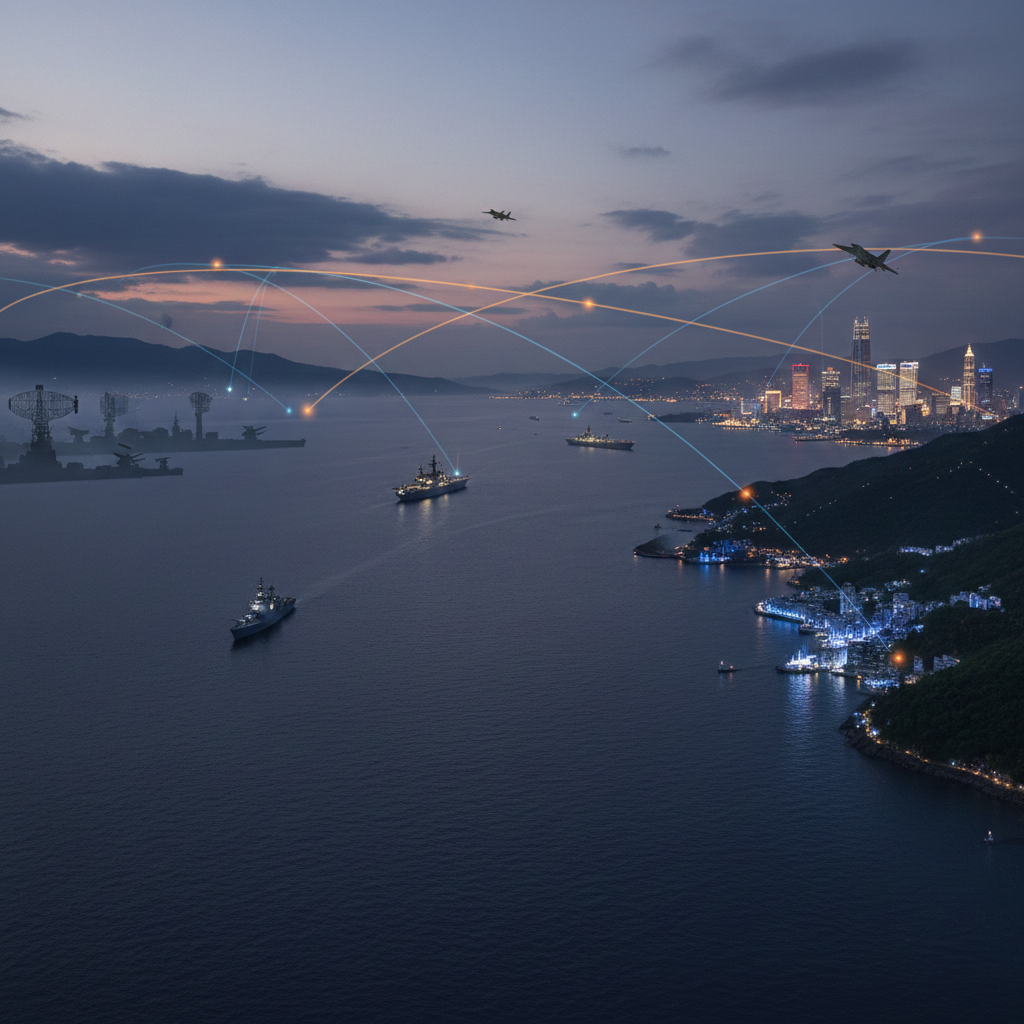
Deterrence in the Taiwan Strait is often discussed in terms of military capability—missiles, naval power, air superiority, and alliance commitments. Yet deterrence is not only about hardware. It is also about credibility, control, and internal confidence.
The reported detention of a senior People’s Liberation Army (PLA) general close to Xi Jinping raises an important question: does this development weaken or strengthen China’s deterrence posture toward Taiwan?
Deterrence Begins at Home
Effective deterrence requires that political leadership believes its military will execute orders reliably under extreme pressure. Any doubt about loyalty, discipline, or command cohesion undermines deterrence credibility—regardless of technological capability.
From this perspective, internal disciplinary actions within the PLA should be understood as part of deterrence maintenance rather than a distraction from it. By reinforcing political control and accountability, Beijing reduces uncertainty within its own decision-making chain.
In the short term, this process suggests caution rather than escalation. Leaders focused on internal discipline are unlikely to initiate high-risk external actions until confidence is fully restored.
Short-Term Stability, Not Escalation
For Taiwan, the immediate implication is strategic stability, not increased danger. Periods of internal consolidation typically coincide with restrained external behavior. Military signaling may continue, but decisive action becomes less likely while internal adjustments are underway.
This does not imply de-escalation in rhetoric or posture. Rather, it reflects a preference for maintaining pressure without crossing thresholds that would require flawless internal coordination.
Long-Term Deterrence Implications
Over the longer term, however, the picture becomes more complex. A PLA that emerges from internal consolidation with stronger political alignment and clearer command authority may possess greater confidence in coercive deterrence.
This could manifest as:
- More disciplined military signaling
- Increased reliance on gray-zone pressure
- Greater emphasis on psychological and economic deterrence
Such developments do not necessarily point toward imminent conflict, but they may alter the calibration of pressure applied to Taiwan over time.
What Taiwan and External Actors Should Watch
Rather than focusing solely on individual personnel changes, observers should monitor:
- Signs of sustained command stability within the PLA
- Shifts in the tone and consistency of military messaging
- Changes in crisis management mechanisms and escalation control
Deterrence is shaped not by isolated events, but by patterns of behavior and institutional confidence.
Conclusion
The detention of a senior PLA general does not signal immediate escalation toward Taiwan. Instead, it highlights how deterrence begins internally—through discipline, control, and confidence within the military command structure.
For Taiwan, the near-term environment remains one of managed pressure rather than imminent conflict. Over time, however, internal consolidation within China’s military could enable more assertive—but still calculated—deterrence strategies.
Understanding Taiwan’s security environment therefore requires looking beyond deployments and exercises, toward the internal dynamics that shape strategic decision-making in Beijing.
Related Analysis:
This insight builds directly on The Detention of a Senior Chinese General: Internal Power Consolidation and Implications for Taiwan, which examines how internal power dynamics within the PLA shape China’s broader strategic posture.